Sustainable Design in Local & Global Contexts: SOUTH KOREA
[PROPOSED FOR MAY 2025]
Resources
calendar
projects
syllabus
literature
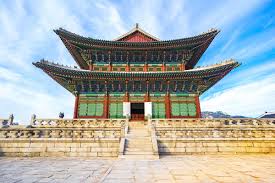
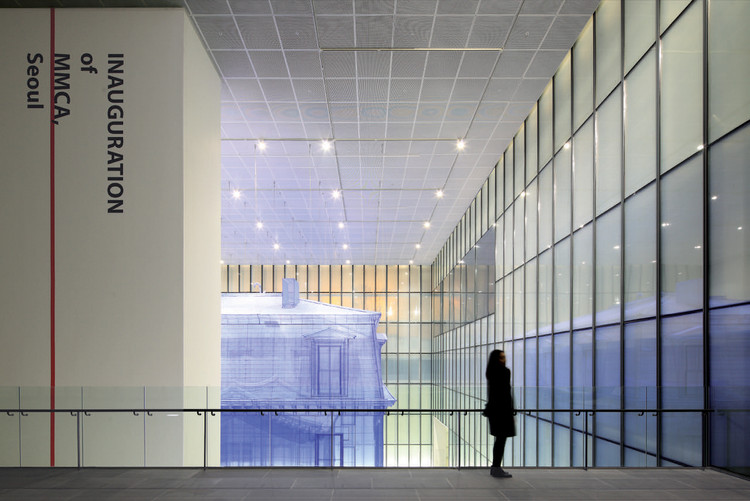
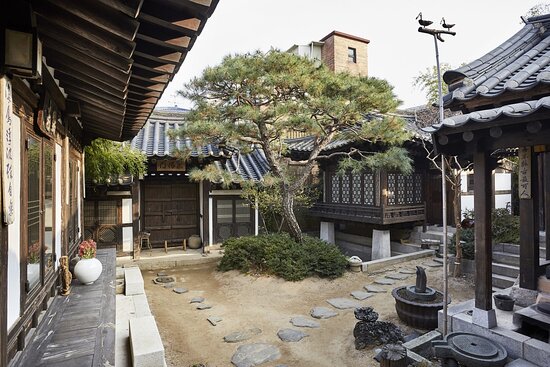
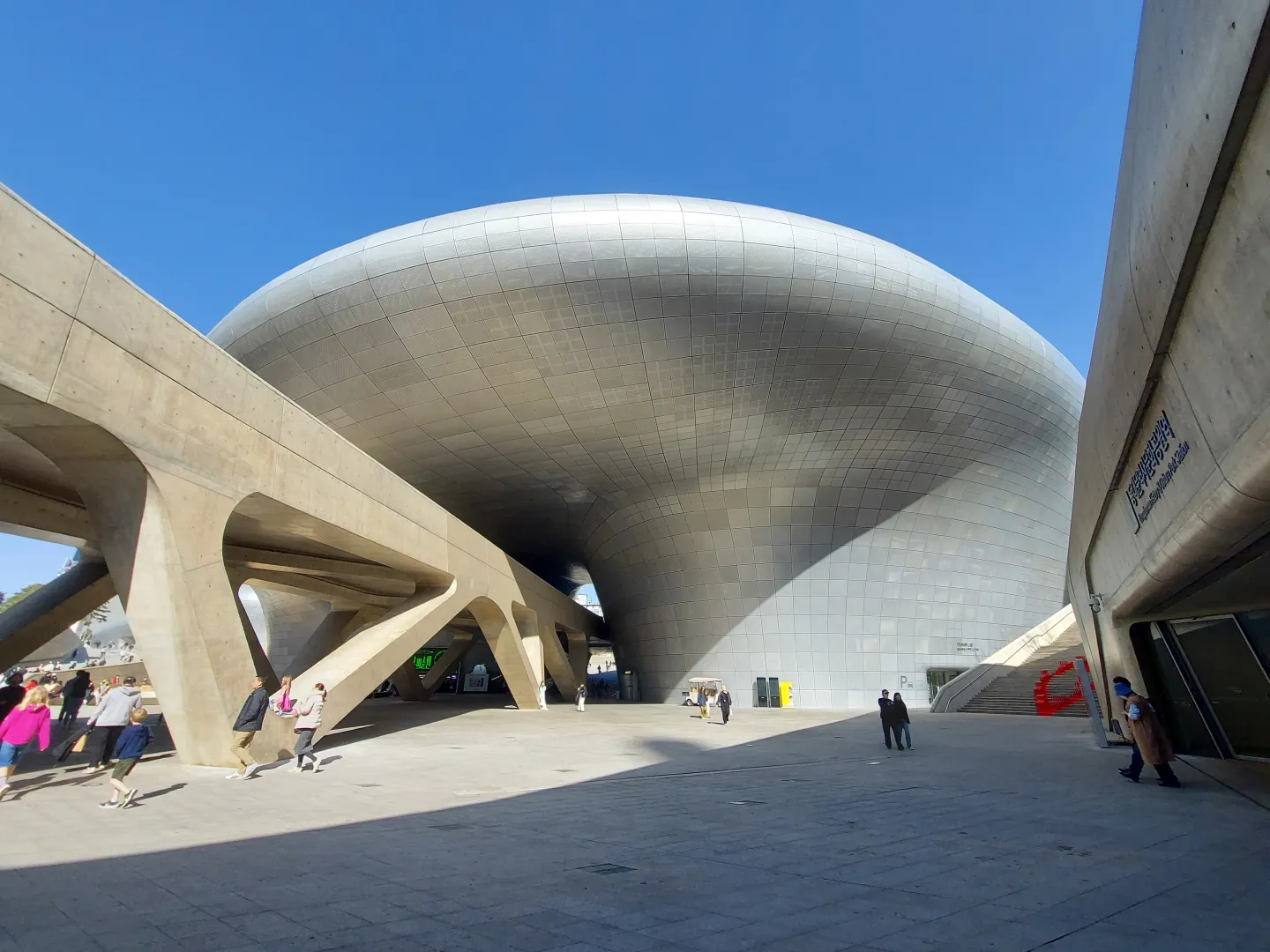
This three-credit-hour course studies the architectural landscape of South Korea with a focus on the three realms of sustainability. Exploring how centuries of external influences from China, Japan, and the West have shaped the aesthetics, technology, and planning principles of South Korean architecture, it focuses on Seoul, which has recently been recognized as one of the greenest cities in the world by the USGBC. Seoul emerged as a leader for sustainable design after gaining global attention through international sporting events in the 1980s and now boasts projects by notable Koreans (educated both domestically and abroad) as well as leading architects from around the world. This course offers a unique perspective on architectural innovation, examining intersections of local customs and global trends across time, and how Korean building practices have long addressed concerns of cultural, environmental, and economic sustainability.
This course will overview:
- The history of South Korean architecture in its East Asian and global contexts from the Three Kingdoms (starting in 57 BCE) through the present day.
- Sustainable principles in architectural design; sustainability as a global enterprise
- Historical features of traditional South Korean architecture in light of cultural, environmental, and economic concepts of sustainability
- Contemporary South Korean design that addresses the realms of sustainability
- Definitions of “innovation” in light of local customs and global trends
- The value of travel to future professionals (specifically) and human beings (generally)
Upon successful completion of the course, students will be able to:
- Summarize main developments in the history of (South) Korean architecture from antiquity to the present and in various contexts
- Explain principles of sustainability (environmental, cultural, economic) as applied to architecture and urban design
- Describe/illustrate the sustainable features in traditional architecture in South Korea in words and drawings
- Describe/illustrate the sustainable features in contemporary architecture in Seoul and Busan in words and drawings
- Assess the innovative character of a work of South Korean architecture, landscape, or urban design in light of local customs and global trends, as well as cultural, environmental, and economic concerns.
- Propose a life-long travel plan that demonstrates the personal and professional value of travel
